
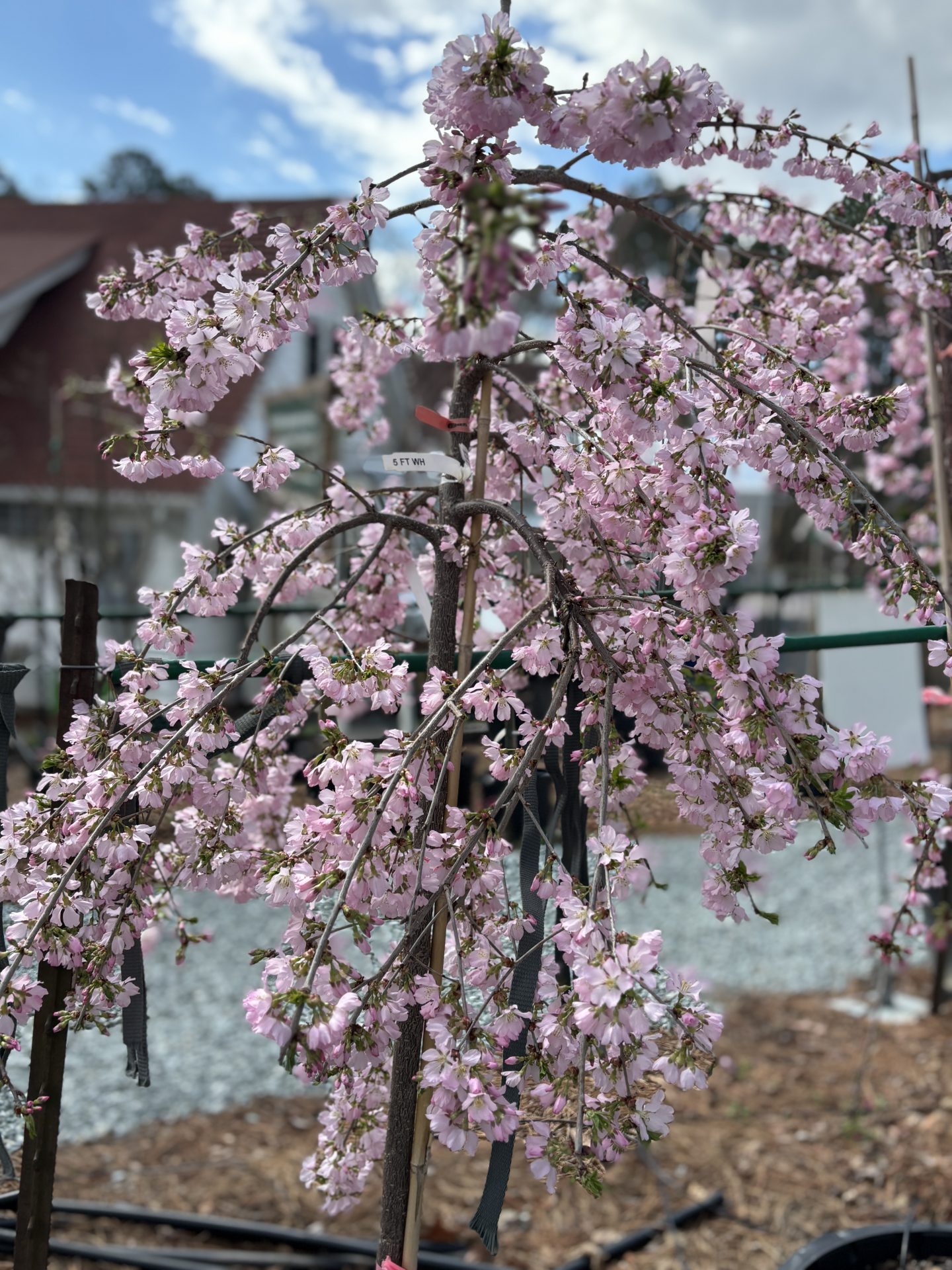

Early Bloomers: Brightening Your Home Landscape
The first flush of color after a long winter is a welcomed sight. For gardeners in the Piedmont area of North Carolina—specifically in growing zones 7b-8a that encompass communities like Durham, Chapel Hill, and the Research Triangle Park (RTP)—selecting the right early-flowering trees is key to extending the beauty of your landscape.
At For Garden’s Sake, we specialize in helping local homeowners cultivate stunning outdoor spaces. Here are our top five recommendations for trees that offer spectacular, early-season blooms, along with the essential care tips to keep them thriving.
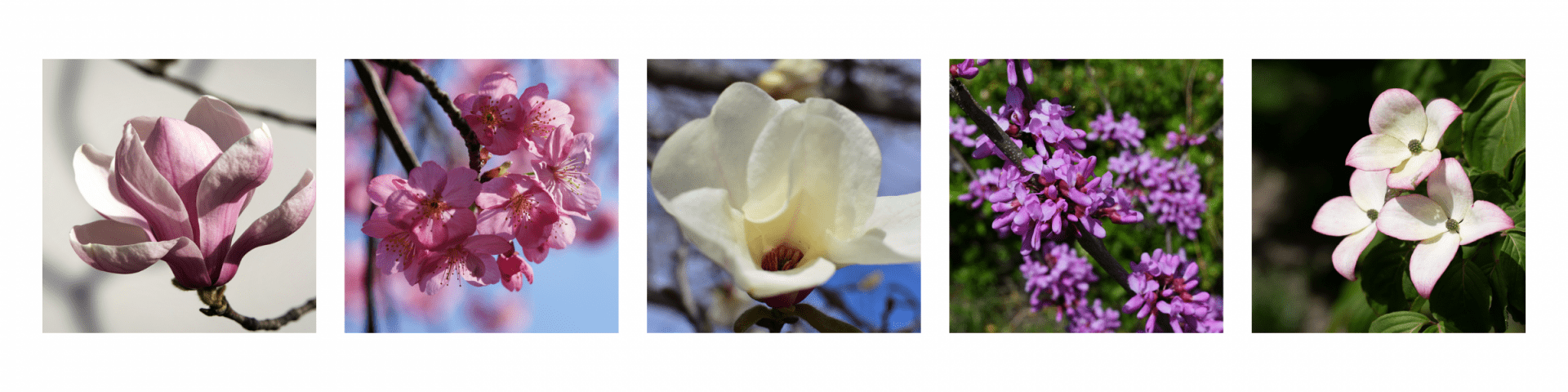
Top Five Early-Flowering Trees for the Triangle
- Saucer Magnolia: Saucer Magnolia (Magnolia x souleangeana) has large, showy, goblet-shaped flowers in shades of pink, purple and white. It prefers full sun to part shade lighting and moist, well-drained and slightly acid soil. Its mature size is 20-25’ in height and width making this an ideal small deciduous tree for smaller lawns in Durham and Cary. Water regularly during the first year and prune immediately after flowering but only if it is needed to shape or remove any dead wood. This tree never disappoints.
- O’Kame Cherry: (Prunus x incamp ‘Okame’) has profuse, single, deep pink flowers that emerge before the leaves and provides excellent early season color. This tree prefers full sun (6+ hours) and does best in fertile, moist, well-drained soil. This requires minimal pruning but monitor for pests like aphids and scale. Also, deep water during dry spells.
- Star Magnolia: (Magnolia stellata) has fragrant, star-like white or pale pink flowers with strap-like petals. This tree is smaller than the Saucer Magnolia with 15-20’ height by 10-15’ width. It prefers full sun to part shade and moist, cool, acidic and well-drained soil. As always, apply a layer of mulch to maintain soil moisture and temperature while protecting from strong winds that can damage its delicate blooms.
- Eastern Redbud: (Cercis canadensis) has clusters of tiny, pea-like magenta pink flowers that cover bare branches in early spring. This is native to our area and are often seen along our interstate. This tree grows 20-30’ tall by 25-35’ wide depending on the variety. For Garden’s Sake carries multiple varieties as well such as Ruby Falls Redbud, Merlot Redbud, Lavender Twist and Carolina Sweetheart. Depending on variety, they can handle full to part shade from hot afternoon sun and well-drained soil. They are very low maintenance once established but avoid planting in poorly drained clay soils. Soil amendments are key for success! Pruning during winter dormancy to remove cross branches always makes for a beautifully structured tree!
- Flowering Dogwood: (Cornus florida) is iconic with its’ four-petaled white or pink bracts (often mistaken for petals) that open around the time Redbuds are finishing. The tree can grow 15-30’ tall and wide depending on your conditions. Part shade is essential for protection from intense, midday sun and it prefers moist, organically rich, well-drained, slightly acidic soil. You will want to water this well, especially during summer dry period. Also, monitor for borers and anthracnose in your tree(s)
Cultivating Success: General Care
While each tree has specific needs, maintaining healthy, early-blooming trees in Durham, Chapel Hill and
RTP area requires adherence to a few best practices:
- Soil Preparation and Planting: Clay soil is challenging. When planting any of these trees, dig a hole two to three times sider than the root ball, but no deeper. Incorporate landscape planting mix or other organic rich matter into the backfill to improve drainage and aeration to the roots. Ensure the root ball flare (where the trunk meets the roots) is visible above the soil line.
- Watering: The first one to three years are critical for establishment. Water newly planted trees deeply and consistently, especially during the hot, dry stretches typical of North Carolina summers. Once established, most of these trees are relatively drought-tolerant, but supplemental watering during prolonged dry spells will protect their health and bloom quality.
- Mulching: Applying a 2-3 inch layer of wood mulch around the base of the tree (keeping it 6 inches away from the trunk) is one of the best things you can do. Mulch conserves soil moisture, moderates soil temperature, and suppresses weeds that compete for nutrients.
- Pruning: For most of these flowering trees, pruning is generally only necessary to remove dead, diseased, or damaged wood, or to maintain a desired shape.
Rule of Thumb: Prune spring-flowering trees immediately after they finish blooming. Pruning later in the season (fall or winter) will remove the buds that were set for the following spring.
If you have questions about which tree is perfect for your yard or need professional installation services, contact us at For Garden’s Sake—we’re here to help your landscape thrive in the heart of the Triangle!
9197 NC Hwy 751 Durham, NC 27713 919 484 9759 #fgsdurham #fgslandscapes #okellychapelnc