
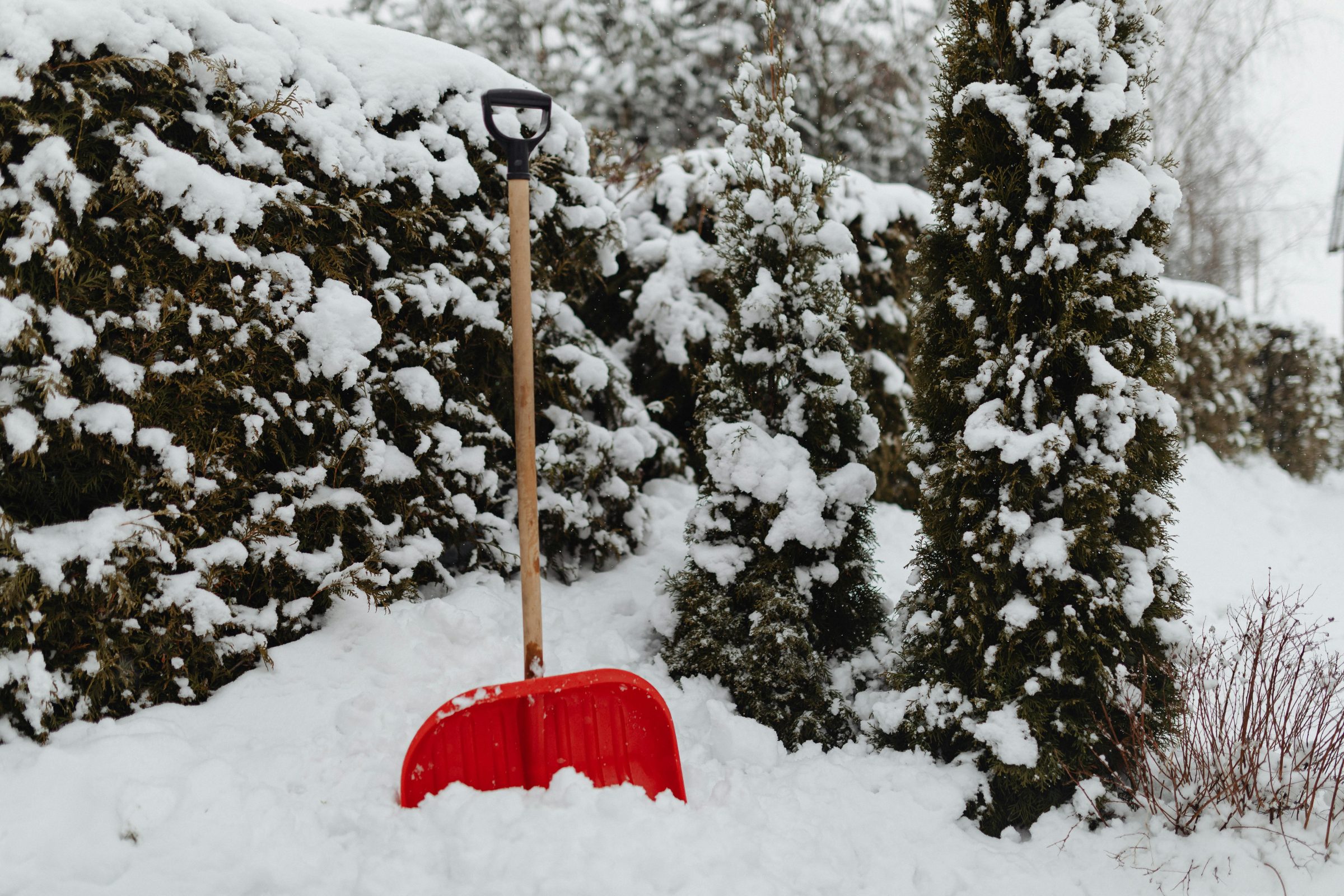

February Garden Chores: Preparing Your Lawn and Landscape
As winter begins to wane in the Triangle, February is the perfect time to prepare your lawn and landscape for the vibrant growth of spring. Taking advantage of this transitional period can set the foundation for a healthy garden and lush lawn throughout the year. Here’s a task list from For Garden’s Sake in Durham to guide you through the essential chores for February:
Your Task List
1. Planning & Preparation:
- Continue placing seed and supply orders.
- Ensure all your tools are in good working condition. Clean, sharpen, and oil them as necessary to make your chores easier and more efficient. Specifically your service power equipment (mowers, tillers, blowers) before the spring rush.
- Sanitize seed-starting containers and tools.
- Now is a great time to map out any changes you want to make in your garden.
- Consider new plantings, rearrangements, or expansions, and gather necessary materials. Note where amendments (like compost) is needed.
- Check and repair trellises, fences and supports.
2. Maintenance:
- With most trees and shrubs still dormant, February is ideal for pruning. Remove dead or damaged branches to encourage healthy growth. Be sure to research specific pruning needs for each plant. (dormant fruit trees and berry bushes)
- Apply dormant oil spray to fruit trees and shrubs to control any overwintering pests if needed.
- Weed garden beds on warmer days before weeds establish deep roots. Inspect perennials and young shrubs for heaving due to freeze/thaw cycles; gently push them back into the soil.
- Remove old foliage from Hellebores, Epimedium and ornamental grasses before new growth begins.
- Clear debris from garden beds and apply a fresh layer of mulch to help retain moisture and suppress weeds. Test your soil and amend it with compost or other nutrients if needed.
3. Planting & Starting:
- Start seeds indoors for warm-season crops (e.g., tomatoes, peppers, eggplant) toward the end of the month.
- Direct sow seeds outdoors for cool-season crops (e.g., spinach, lettuce, peas, radishes) late in the month, under row covers if necessary.
- Plant bare-root roses, trees, and shrubs while they are still dormant.
- Sow ornamental seeds that require cold stratification outdoors (winter sowing). Divide and replant summer and fall-blooming perennials like Hosta, Daylilies, and Shasta Daisies.
4. Apply Pre-Emergent Lawn Treatments:
- As highlighted in your lawn care plan, applying pre-emergent treatments is crucial in February to prevent weeds like crabgrass. This proactive step saves time and effort later in the season.
5. Harvesting:
- Continue harvesting mature winter greens (kale, collards) and root crops (parsnips, carrots) protected by mulch.
- Harvest forced branches of spring bloomers (forsythia, flowering quince) for indoor display.
By completing these tasks in February, you’ll be well-prepared for the lush growth that spring will bring. Grab a loved one to help and Happy Valentine’s Day! Each chore is an investment in a thriving lawn and garden, setting the stage for a successful gardening season.
9197 NC Hwy 751 Durham, NC 27713 919 484 9759 #fgsdurham #fgslandscapes #okellychapelnc